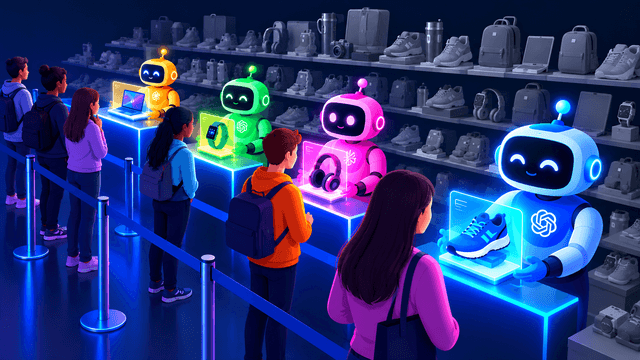

Google Shopping has undergone more change in the past 18 months than in the previous five years combined. The introduction of AI Mode, the maturation of Performance Max, and the rise of Demand Gen campaigns have fundamentally altered how paid shopping works.
What's Changed
AI Mode Integration
Google's AI Mode now surfaces Shopping ads within AI-generated responses. This creates a new placement type that blends organic AI recommendations with paid product listings.
Performance Max Evolution
PMax has become more transparent and controllable. Google now provides asset group performance data, search term insights, and better audience controls.
The Data Quality Premium
AI-powered bidding systems reward product data quality more than ever. Feeds with complete attributes, accurate pricing, and rich product descriptions outperform sparse feeds by 40-60% in AI-optimized campaigns.
What Hasn't Changed
Intent Still Wins
High-intent shopping queries still convert. The fundamentals of capturing purchase-ready traffic haven't changed—only the mechanisms have evolved.
ROAS Targets Still Matter
Despite all the automation, setting appropriate ROAS targets remains the most important lever advertisers control.
Adapting Your Strategy
- 1.Invest in feed quality — this is now your primary competitive advantage
- 2.Embrace PMax for broad reach — use Standard Shopping for branded and high-value terms
- 3.Layer first-party data — customer match lists dramatically improve AI bidding accuracy
- 4.Monitor AI Mode placements — new impression share metrics are available in reports